

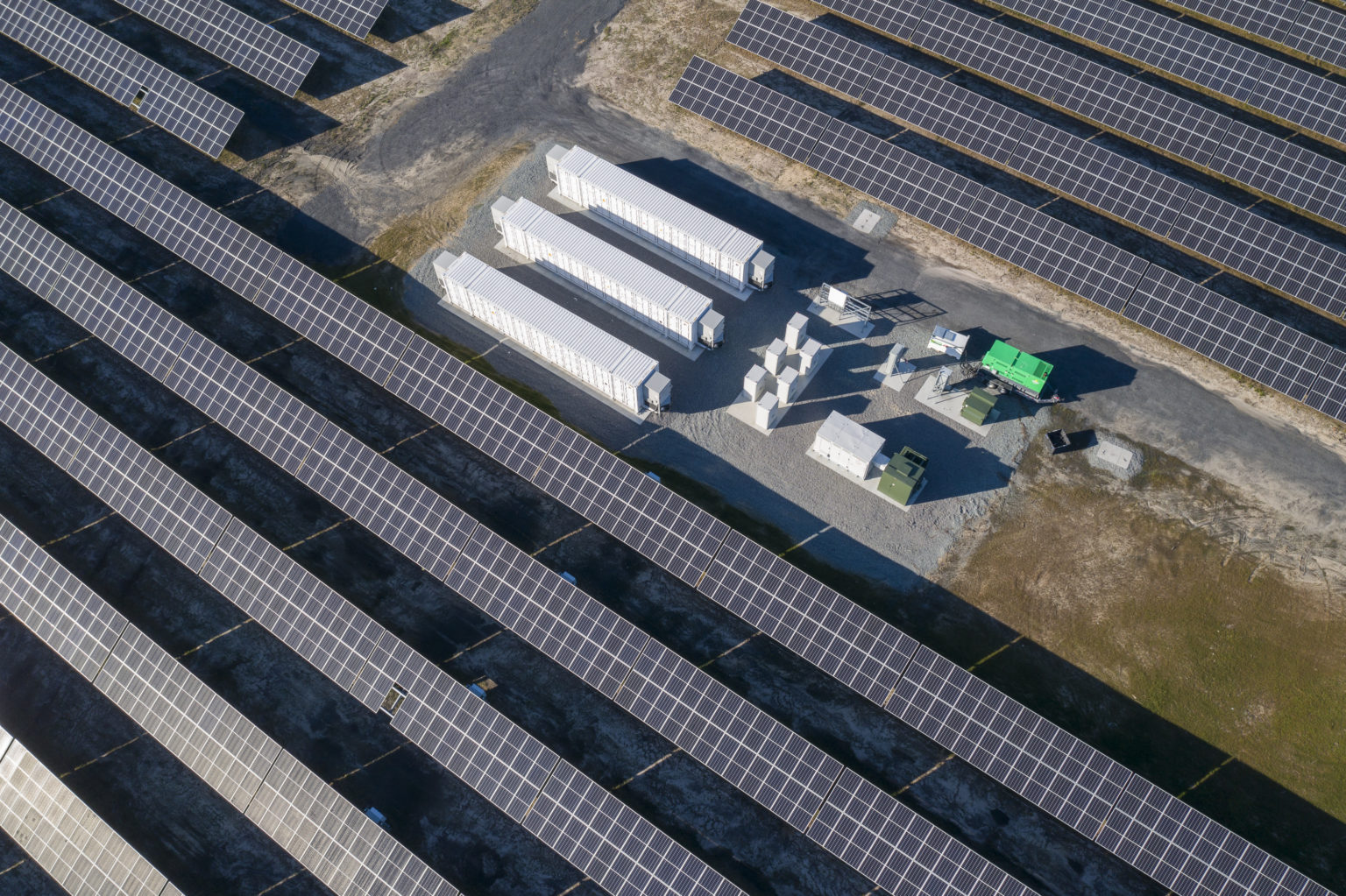
Solar power has transformed the way India generates energy, but the sun doesn’t shine 24 hours a day. That’s where energy storage technology steps in, ensuring that solar energy works not just during the day, but also at night and during cloudy weather.
From off-grid villages to smart cities, solar-plus-storage solutions are becoming the next big leap in India’s renewable journey. At Aditi Power Corp, we believe this combination is key to achieving true energy independence.
What is Solar Plus Storage?
Simply put, it’s the pairing of solar panels with battery storage systems. Solar panels generate electricity during the day, and excess energy is stored in batteries for later use — ensuring round-the-clock power availability.
Why It’s a Game-Changer for India
-
Overcoming Intermittency – No more power gaps when the sun sets.
-
Reducing Diesel Dependence – A cleaner alternative to backup generators.
-
Energy Security – Essential for hospitals, schools, and critical infrastructure.
-
Empowering Remote Areas – Perfect for villages far from the grid.
Real-World Impact: A Town That Beat Load-Shedding
In a small town near Hyderabad, frequent load-shedding used to disrupt daily life. Residents pooled resources to install a community solar-plus-battery system. Now, even during blackouts, the lights stay on, businesses operate smoothly, and refrigerated medicines remain safe.
“We no longer fear the power cuts. Solar with batteries has given us peace of mind,” says Suresh, a local shop owner.
Technologies Powering the Shift
-
Lithium-Ion Batteries – High efficiency and long lifespan.
-
Lead-Acid Batteries – Affordable for small-scale setups.
-
Hybrid Inverters – Seamlessly switch between solar, storage, and grid power.
-
Smart Energy Management Systems – Optimize when and how stored energy is used.
Government & Industry Push
India’s Ministry of New and Renewable Energy (MNRE) is encouraging solar-plus-storage projects through:
-
Pilot programs for microgrids in rural areas.
-
Subsidy support for solar pumps with storage.
-
Policy guidelines for utility-scale storage in solar parks.
Private players are also investing heavily in solar battery manufacturing, reducing dependence on imports and lowering costs.
Cost & ROI
While storage increases the upfront investment, prices are falling rapidly:
-
Lithium-ion battery costs have dropped by over 80% in the past decade.
-
Payback periods for solar-plus-storage are now competitive, especially where grid power is unreliable or expensive.
For businesses, avoiding downtime during outages can pay for the system faster than just electricity bill savings.
Who Can Benefit the Most?
-
Hospitals & Clinics – Keep life-saving equipment running 24/7.
-
Educational Institutions – Ensure uninterrupted classes and computer labs.
-
Farmers – Run solar-powered pumps day and night during irrigation needs.
-
Hotels & Resorts – Provide a seamless guest experience without power interruptions.
-
Remote Villages – Create self-sufficient microgrids.
The Road Ahead
The integration of solar and storage is the future of India’s energy ecosystem. With advancements in battery technology, AI-based energy management, and local manufacturing, India can leapfrog into a 24/7 renewable-powered economy.
Solar-plus-storage is not just about lights that never go out — it’s about freedom from energy limitations. By embracing this innovation, India can ensure reliable, clean, and affordable power for everyone, everywhere.