

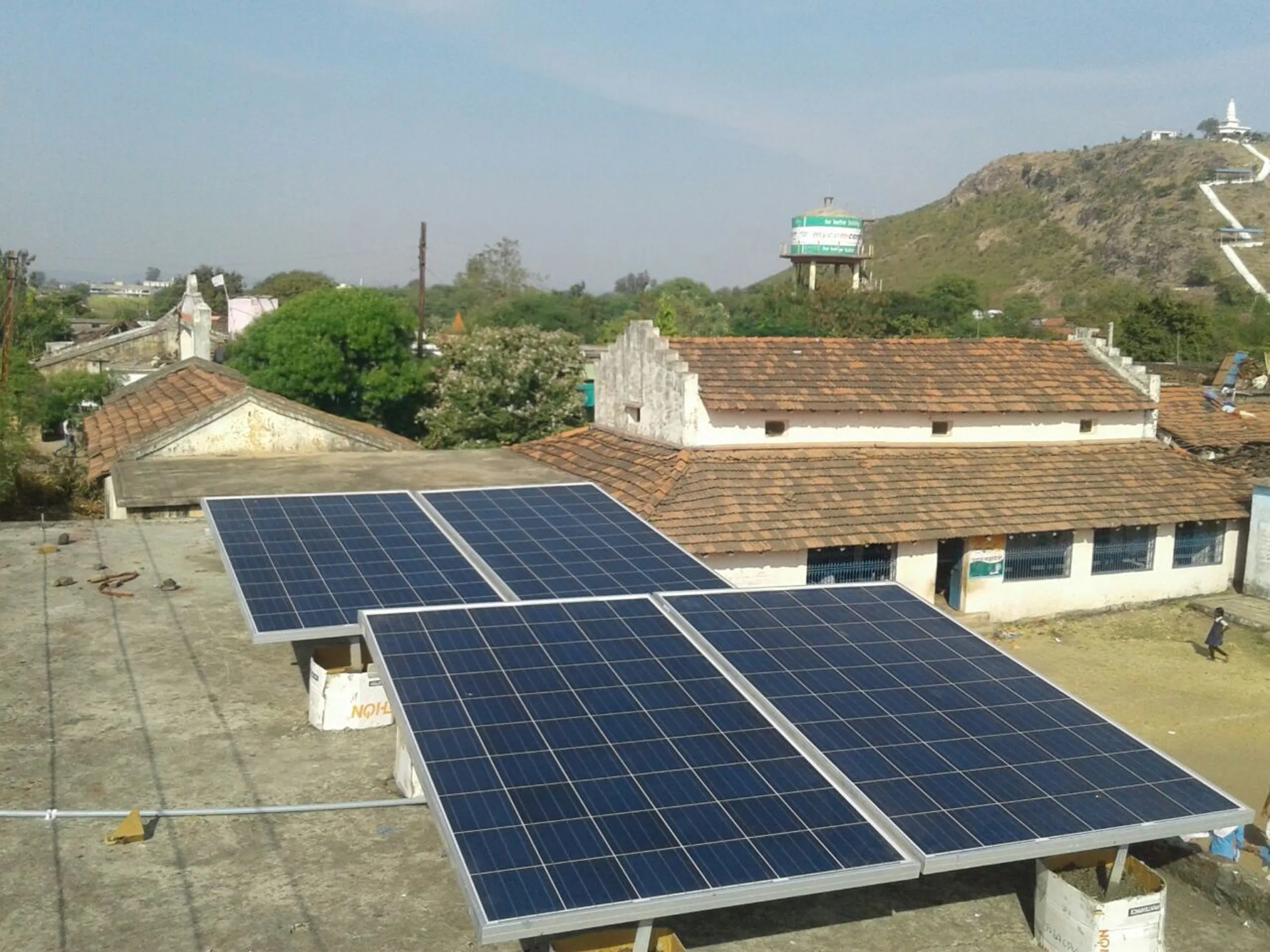
Jharkhand is often celebrated for its rich mineral reserves and lush green landscapes. But in recent years, another natural resource has started making waves — the sun. Blessed with abundant sunshine throughout the year, Jharkhand has the potential to become one of India’s leading solar hubs.
For Aditi Power Corp, this is not just about energy production — it’s about empowering communities and creating sustainable livelihoods.
Why Jharkhand is a Solar Goldmine
-
High Solar Potential – Receives 5–6 kWh/m²/day of solar radiation.
-
Energy Gaps – Several rural areas still face unreliable power supply or limited grid access.
-
Government Support – Policies like the Jharkhand Solar Energy Policy 2021 aim to promote rooftop solar, solar pumps, and microgrids.
-
Agriculture-Focused Demand – Farmers benefit greatly from solar-powered irrigation pumps.
A Story of Change: From Diesel to Solar
In Dumka district, farmer Lakshmi Devi used to rely on a diesel pump for irrigation, which was costly and polluting. Through a state-run solar pump scheme, she received a subsidy to install a 2 HP solar water pump.
“Irrigation is no longer a worry. My yield has increased by 30%, and I save thousands every season,” she says with pride.
Her children now study at night under solar-powered lights — a small change with a big impact.
Key Solar Initiatives in Jharkhand
-
Rooftop Solar in Urban Areas – Net metering benefits for residents and businesses in Ranchi, Jamshedpur, and Dhanbad.
-
Solar Microgrids – Providing reliable power in tribal villages far from the main grid.
-
Solar Street Lighting – Improving safety and reducing crime in rural areas.
-
Agricultural Solar Pumps – Enabling farmers to irrigate without fuel costs.
Benefits Beyond Energy
-
Economic Growth – Reduced energy costs mean more funds for education, healthcare, and small businesses.
-
Job Creation – Installation, operation, and maintenance of solar projects employ local youth.
-
Environmental Protection – Lower reliance on coal and diesel helps reduce pollution.
-
Women Empowerment – Women’s self-help groups (SHGs) are using solar to run small-scale enterprises like flour mills and sewing units.
Challenges to Address
-
Awareness Gaps – Many villagers are unaware of available schemes.
-
Financing Issues – Small farmers often struggle to afford initial costs, even with subsidies.
-
Maintenance Needs – Proper upkeep of systems is vital for long-term performance.
At Aditi Power Corp, we partner with NGOs, panchayats, and local entrepreneurs to ensure that solar projects are not just installed, but also maintained and managed sustainably.
The Future of Solar in Jharkhand
If Jharkhand fully taps into its solar potential, it could add 2–3 GW of capacity in the next decade. This would mean:
-
Reliable power in every village.
-
Cleaner air and reduced carbon emissions.
-
A boost in rural entrepreneurship.
For Jharkhand, solar energy is more than a technology — it’s a pathway to prosperity. From powering farms to lighting classrooms, the sun is helping build a stronger, greener, and more self-reliant state.